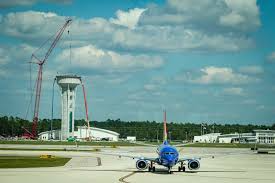
Planes are amazing machines that fly quickly above the clouds, but they can scare some people. However, facts show that flying is still the safest way to travel far. This isn’t by chance but because of tough pilot training careful plane checks many backup systems, and a strong focus on safety. Every part of flying is set up to keep passengers safe, allowing millions to fly each day without problems. Years of smart planning, new tech, and being well-prepared are behind this great safety record.
Rigorous Maintenance Standards
Every plane needs a full checkup before it’s allowed to fly. The maintenance team follows strict rules and detailed lists. They look at each part, make sure all systems work, and check every control. They don’t guess or leave anything to chance. Even small problems must be fixed before a plane can take off. These checks happen at set times, based on how long the plane has flown, how many days it’s been, or how many flights it’s made. Some checks are quick, while others might take several days to look at everything. Each check helps make sure planes stay safe for all their flights.
Advanced Safety Technology
Today’s planes offer more than just fancy perks. They come with advanced systems that keep an eye on the weather, keep the right height, and help planes land. Smart autopilot tech helps cut down on human mistakes by giving pilots a hand during long flights. Lots of sensors let folks know if anything is off. Navigation tools work in real-time, while the cockpit acts as a smart control room, giving quick info and answers. This clever tech doesn’t replace pilots – it makes them better at their job and gives them more control in the sky.
Dedicated Ground Support Teams
While pilots fly the plane, ground crews work hard to keep everything running well. They handle fueling, cleaning, and technical prep. Their job starts as soon as the plane lands. All the equipment they use meets tough safety rules. Key parts, like barry mounts, hold important pieces in place and cut down on shaking. These small bits play a big part in keeping planes steady during takeoff and landing. Even though they often work out of sight, their job is key to making sure flights are safe and smooth.
Weather Monitoring in Real-Time
Weather monitoring in aviation is more than just forecasting. Airlines use high-tech satellite tools and cutting-edge radar to keep an eye on storms, winds, and air disturbances. Flight teams can change their paths mid-air if needed. Airport towers give up-to-the-minute info about shifting weather keeping pilots in the loop about any changes in the sky. This steady stream of weather data lets flights dodge risky conditions before they become big problems. When flights get held up due to weather, it’s because safety comes first. The quick reaction of the aviation world to changing weather keeps passengers safe above all else.
Safety Standards That Stay Global
Aviation safety rules are the result of a well-planned global effort. One main worldwide group sets up complete guidelines that control air travel everywhere. Countries work together to put these unified standards into action and keep them going. This teamwork across borders makes sure aviation safety stays the same, no matter where you are or where you’re flying. Every part of air travel – from how crews are taught and planes are kept up to what gear is used – must follow these tough global rules. The way pilots get certified, how often mechanics check things, and how airports run all stick to these exact standards. These aren’t just suggestions people can choose to follow or not – they’re must-do rules that keep flights safe as they cross country lines.
Pilots With High-Level Training
Getting into the cockpit takes a lot of hard work and know-how. Pilots have to study a ton, pass tough tests, and log many hours in the air. They train for all sorts of emergencies using high-tech simulators. These practice runs put them through the wringer with things like thunderstorms, engine troubles, and rough air. All this prep helps pilots stay cool, sharp, and in control no matter what happens. Learning doesn’t stop once they get their license. They keep taking classes and building up flight time to sharpen their skills. This non-stop push to be better shows how they take keeping passengers safe on every trip.
Emergency Plans Built into Every Flight
Airlines have well-planned emergency readiness measures. These include evacuation slides, oxygen systems, and life-saving gear to cover all possible situations. Flight attendants undergo thorough training to handle medical emergencies such as first aid, CPR, and crisis control. Airports often practice emergency drills, while air traffic control centers follow detailed steps for emergency flight paths. Even common things like safety talks for passengers play key roles when quick action is needed. This careful planning is part of every flight operation.
Planes Designed with Safety in Mind
Today’s aircraft engineering puts safety first by using backup systems and strong building methods. Engines have extra features to keep working even if one part breaks down. Engineers test wings a lot to make sure they can bend without breaking. Systems that control air pressure in the cabin keep things just right high up in the sky. Every part, from the lights inside to the seats, goes through tough safety checks. How they design planes, like where they put emergency exits, what materials they use, and how they set up seat belts, all focus on keeping passengers safe. These planes are built to handle tough conditions, showing a design approach that always thinks about safety first.
Conclusion
While flying has its dangers, it’s still the safest way to get around. A bunch of safety measures, well-trained staff, and high-tech systems work together to make each flight happen. Everything in aviation, from the ground crew to the pilots, is all about keeping passengers safe. The numbers back this up – flying is one of the safest ways to travel around the world.