
Introduction:
In the intricate web of educational operations, the safe and efficient transport of students is a priority that demands meticulous planning. School bus routing software has emerged as a revolutionary solution to the logistical challenges of student transportation. This article explores the transformative impact of school bus routing software, shedding light on its features, benefits, and the positive changes it brings to the daily commute of students.
Optimizing Routes for Efficiency:
One of the primary functions of school bus routing software is the optimization of routes. Utilizing sophisticated algorithms, this software takes into account a myriad of variables, including student locations, traffic patterns, and real-time data. The result is a meticulously crafted set of routes that minimizes travel time, reduces fuel consumption, and ultimately leads to a more cost-effective and efficient transportation system for schools.
Real-Time Tracking for Enhanced Safety:
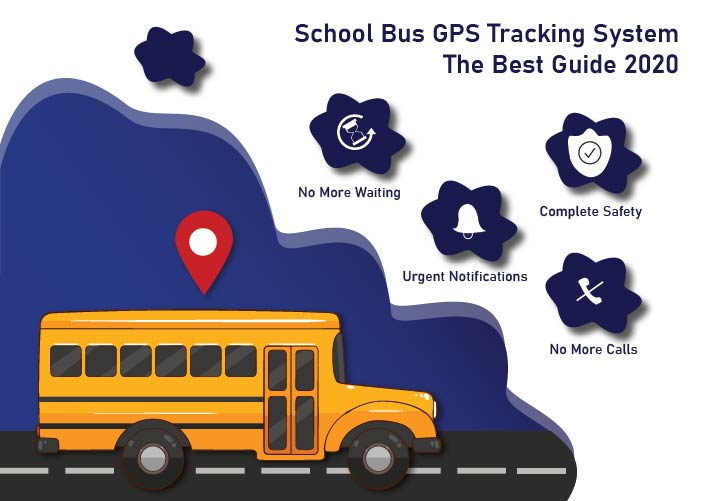
The integration of real-time GPS tracking technology is a game-changer for student safety. Parents, school administrators, and even students themselves can monitor the location of buses in real time. This feature not only provides accurate arrival times but also adds an extra layer of security, offering peace of mind to parents and ensuring that students are well-informed about their transportation schedules.
Dynamic Adaptability to Changes:
Student populations are inherently dynamic, with constant changes in enrollment, addresses, and even the addition of new neighborhoods. School bus routing software stands out in its ability to adapt swiftly to these changes. Whether it’s adjusting routes to accommodate new students or responding to alterations in student addresses, the software ensures that the transportation system remains finely tuned to the evolving needs of the student body.
Cost Savings and Resource Optimization:
Beyond the immediate benefits of optimized routes, school bus routing software contributes significantly to cost savings for educational institutions. By minimizing fuel consumption, reducing wear and tear on vehicles, and streamlining routes, schools can allocate resources more efficiently. This financial efficiency not only benefits the institution’s budget but also allows for potential improvements in other areas of the educational experience.
Enhanced Communication Channels:
Effective communication is crucial in managing transportation logistics. School bus routing software often includes communication channels that enable seamless interaction between administrators, drivers, and parents. Notifications about schedule changes, delays, or emergencies can be disseminated promptly, fostering a collaborative and informed community.
Conclusion:
In the dynamic landscape of education, school bus routing software emerges as a powerful tool, transforming the way schools manage student transportation. By optimizing routes, enhancing safety measures, and providing a platform for efficient communication, this software streamlines operations and contributes to an overall positive experience for students, parents, and administrators alike. As technology continues to advance, the integration of school bus routing software represents a commitment to efficiency, safety, and adaptability in the ever-evolving realm of student transportation.