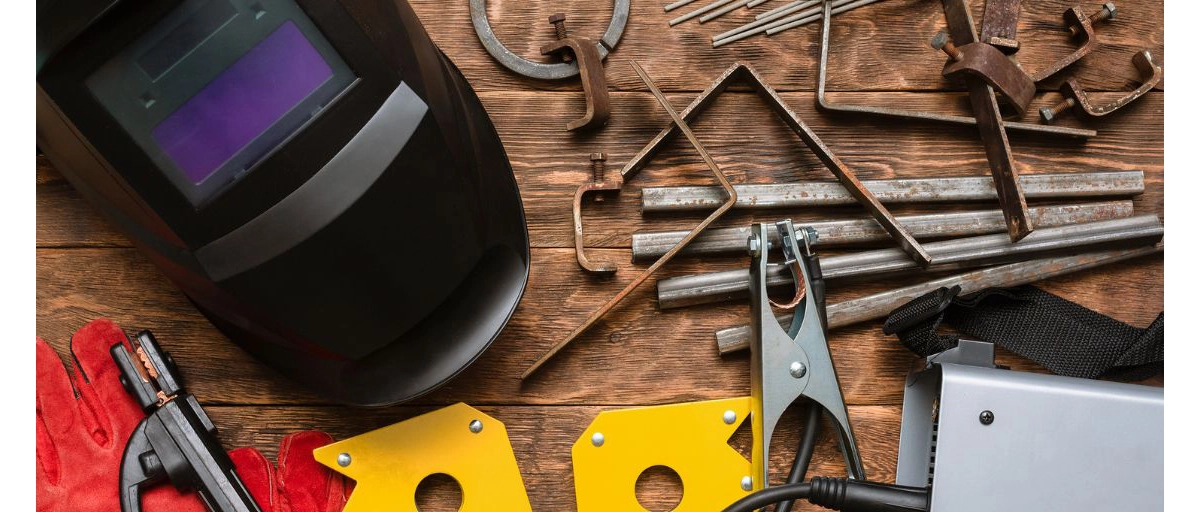
Industries need reliable equipment for their daily operations. Businesses that work with metal structures rely on welding supplies for safe and accurate welding tasks.
Understanding the basic types of equipment for welding work helps companies choose the right tools. Each item has a specific purpose in maintaining quality and safety during welding work.
Importance of welding equipment for industrial work
Workers perform their tasks efficiently using several core tools in industrial welding operations. These include:
● welding machines
● electrodes
● power sources
● cables
These support the welding process. Businesses select equipment based on the welding method they use, such as:
● MIG
● TIG
● stick welding
For example:
A manufacturing company producing steel frames uses a MIG welding machine, which allows:
● faster production
● consistent weld quality
The machine feeds wire instantly for workers to maintain steady results.
Having the right equipment for welding metal structures ensures:
● reduce downtime
● improve productivity
● ensure strong welds
Selecting proper welding equipment maintains efficiency and quality in industrial welding operations.
A protective gear for workplace safety
Safety is an important aspect of any welding work. Welding involves:
● high temperatures
● sparks
● bright arcs
These are vulnerabilities that cause injuries when proper protection is unused. The protective gear keeps workers to stay safe and performs demanding tasks.
Common protective items include:
● welding helmets
● gloves
● flame-resistant jackets
● safety boots
These items protect workers from:
● burns
● sparks
● harmful light produced
The welders can see clearly while doing the work. It protects the eyes from intense light. The technicians can wear helmets with automatic darkening lenses.
The workplace accidents are reduced when wearing protective gear. Compliance is reduced with safety regulations.
A protective equipment is essential for:
● protecting workers
● maintaining safe welding environments
Consumables used in welding processes
Welding operations depend on consumable materials used during the welding process. These materials include:
● filler metals
● electrodes
● shielding gases
● welding wires
Each type has a role in creating strong and stable weld joints.
For example:
The TIG welding uses filler rods. This helps add a material between the metal pieces. The gas is protected to protect the weld from contamination. Weld quality weakens or fails without these consumables.
Welds remain durable and meet engineering standards using the correct consumables. Welding consumables are essential materials that affect:
● weld strength
● performance
Storage and maintenance of welding tools
Businesses can extend the life of welding equipment with proper:
● Storage
● Maintenance
Machines and tools are stored in dry areas to prevent:
● rust
● electrical damage
Regular inspections detect:
● worn cables
● loose connections
● damaged parts
Routine maintenance includes:
● cleaning welding machines
● checking gas lines
● replacing worn components
The simple steps avoid the following:
● equipment failure
● costly repairs
The maintained tools perform better and reduce interruptions during production. Consistent maintenance practices help businesses protect their investment in welding equipment.
Importance of quality welding materials
Low-quality equipment can lead to:
● weak welds
● equipment breakdowns
The companies purchase equipment from reliable suppliers that can:
● meet industry standards
● provide durable products
Investing in dependable tools will ensure:
● long-term performance
● consistent welding results
Using quality materials supports:
● safe operations
● better production output
● stronger final products
FAQs
Why are welding tools important for industrial businesses?
The welding tools help companies:
● maintain metal structures
● safe weld joints
What industries are using welding equipment?
The industries are frequently rely on welding processes, such as:
● construction
● shipbuilding
● automotive manufacturing
● oil and gas
How can companies maintain welding equipment properly?
Businesses can maintain equipment by:
● cleaning machines regularly
● inspecting cables and connections
● storing tools in dry and safe environments
What are the factors should businesses consider when purchasing welding equipment?
Companies must consider the following:
● welding method
● project requirements
● durability
● safety standards
● supplier reliability
Does welding safety equipment improve your workplace productivity?
Yes. A proper safety gear reduces accidents and downtime. The workers can perform their tasks more efficiently.