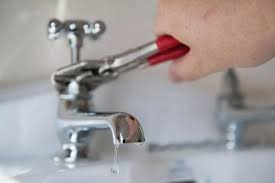
Plumbing issues are an inevitable part of homeownership, but some problems require immediate attention to prevent costly damage. From leaking pipes and clogged drains to low water pressure and running toilets, these common issues can quickly escalate if left unresolved. Water leaks, in particular, can lead to structural damage, mold growth, and higher utility bills. Recognizing the early warning signs and taking prompt action can save time, money, and stress. Addressing plumbing concerns quickly ensures your home’s systems run efficiently and helps maintain a safe, comfortable living environment for you and your family.
Burst Pipes
Burst pipes are among the most urgent plumbing emergencies homeowners can face. They can cause extensive water damage within minutes, leading to costly repairs and potential mold growth if not addressed quickly. Common causes include freezing temperatures, corrosion, or excessive water pressure. Acting fast is essential—shutting off the main water supply and calling professionals can help minimize damage. Relying on emergency plumbing services in Utah ensures a swift response and expert repairs to restore your system safely and effectively. Prompt professional attention not only fixes the issue but also helps prevent future pipe failures and structural damage to your home.

Leaky Faucets
It’s easy to dismiss a dripping faucet as a minor inconvenience. However, a single leaky faucet can waste upwards of 3,000 gallons of water yearly. This not only raises your utility costs but also puts unnecessary strain on plumbing fixtures, potentially leading to corrosion or stains. Most leaky faucets can be resolved by replacing worn-out washers or O-rings, a simple fix that can make a big difference over time.
Clogged Drains
Clogged drains result from the accumulation of hair, soap residue, food debris, or grease. Blockages in kitchen sinks, bathroom tubs, or showers can cause slow drainage, making everyday activities difficult and unpleasant. While drain cleaners and plungers can help, recurring or severe clogs may require professional intervention to prevent permanent damage to your pipes.
Running Toilets
Toilets that fail to stop running are a significant source of wasted water, with some toilets losing up to 200 gallons of water per day. The most common cause is a faulty or worn flapper valve inside the tank. While replacing this valve is often a straightforward repair, persistent issues may point to deeper plumbing problems that require professional diagnostics and solutions.
Low Water Pressure
Low water pressure turns showers and dishwashing into a frustrating experience. It often points to deeper issues, such as sediment or mineral buildup in pipes, leaks, or even problems with your municipal water supply. Pinpointing the cause can be challenging without experience, so consult a licensed plumber if low water pressure persists throughout your house.
Water Heater Issues
Hot water is a daily necessity, and a failing water heater can disrupt daily activities such as laundry, bathing, and cleaning. Common red flags include inadequate hot water, unusual noises, or visible leaks around the unit. Scheduling regular water heater maintenance and promptly addressing any issues that arise can prevent costly replacements and ensure a reliable hot water supply.
Sewer System Backup
Sewer system backups are among the most severe plumbing catastrophes, potentially exposing your home to hazardous bacteria and causing property damage. Tree roots, blockages, or deteriorating pipes can cause backups, which commonly present as multiple clogged drains, persistent foul odors, or water pooling around floor drains. This emergency requires an immediate professional response to prevent health hazards and avoid costly mitigation efforts.
Leaking Washing Machine Hoses
Washing machine hoses are often overlooked until they rupture or start leaking, potentially flooding your laundry area and causing mold growth behind the machines. Inspect hoses regularly for any signs of bulging, cracking, or corrosion, and replace them every three to five years as a preventive measure.
Preventive Measures
- Inspect all plumbing fixtures and appliances for visible signs of wear and tear.
- Schedule annual plumbing system checkups with a licensed professional to identify and address issues early.
- Insulate exposed pipes, especially in colder climates, to prevent freezing and bursting.
- Use drain catchers in sinks and bathtubs to prevent debris from entering the drains.
- Never pour grease or fibrous food waste into your kitchen sink to avoid stubborn clogs.
- Replace washing machine hoses every few years, even if they appear intact, to reduce the risk of sudden leaks.
Maintaining a Healthy Plumbing System
Staying proactive about plumbing care can save homeowners from costly emergencies and unnecessary stress. By addressing issues promptly, scheduling regular inspections, and maintaining good habits, you can ensure your home’s plumbing system remains efficient and reliable for years to come.